Getting your driver’s licence in Ontario is a step-by-step process designed to help new drivers gain experience before receiving full driving privileges. Ontario’s Graduated Licensing System (GLS) takes beginner drivers through three main stages: G1, G2 and the full G licence.
For new drivers in Ottawa, understanding what is required at each stage can make the licensing process much easier. From passing the initial G1 knowledge test to preparing for the G2 and G road tests, each stage comes with specific requirements, restrictions and waiting periods.
This guide explains how Ontario’s G1, G2 and G licensing system works, what you can and cannot do at each stage, how a Beginner Driver Education (BDE) course can reduce the G1 waiting period, and how to prepare for your road tests.
Important: Ontario licensing requirements and road-test procedures can change. Always check the latest information from the Government of Ontario and DriveTest before booking or taking a test.
What Is Ontario’s Graduated Licensing System?
Ontario’s Graduated Licensing System gives new drivers an opportunity to develop their driving skills gradually before obtaining a full Class G licence.
The system consists of three stages:
- G1: Learner’s licence with strict supervised-driving conditions
- G2: Independent driving with certain novice-driver restrictions
- G: Full Class G licence after successfully completing the final road test
The system is designed to give beginner drivers time to gain practical experience in different traffic conditions.
For drivers in Ottawa, this can mean learning how to handle residential streets, busy intersections, multi-lane roads, highways, parking situations and changing traffic conditions before becoming a fully licensed driver.
Stage 1: Getting Your G1 Licence
The G1 is the first step toward becoming a fully licensed Ontario driver.
You must be at least 16 years old to apply for a driver’s licence in Ontario. You must also pass a vision test and a written knowledge test covering Ontario traffic signs and rules of the road.
The official Ontario G1 licensing information explains the current requirements and application process.
Once you receive your G1 licence, you can begin practising with a qualified accompanying driver.
G1 Driving Requirements
A G1 driver cannot drive alone. You must have a qualified accompanying driver sitting in the front passenger seat.
The accompanying driver generally needs to:
- Hold a valid Class G or higher licence
- Have at least four years of driving experience
- Have a blood alcohol concentration below 0.05%
- Meet Ontario’s other accompanying-driver requirements
G1 drivers must also maintain a zero blood alcohol level while driving.
G1 Licence Restrictions
G1 drivers have several important restrictions.
You cannot:
- Drive without a qualified accompanying driver
- Drive between midnight and 5 a.m.
- Drive on certain 400-series highways and designated high-speed roads
- Drive with more passengers than there are working seatbelts
- Have anyone other than the qualified accompanying driver sitting in the front passenger seat
There are specific exceptions for driving with a certified driving instructor.
Can a G1 Driver Drive on Highway 401?
This is one of the most common questions asked by new drivers.
Generally, G1 drivers cannot drive on restricted 400-series highways, including Highway 401, unless the applicable driving-instructor exception applies.
Having an experienced family member or friend in the passenger seat does not automatically remove the highway restriction.
If you are unsure whether a particular road is permitted, check the current Ontario rules before driving.
Stage 2: Moving From G1 to G2
After gaining enough driving experience and completing the required waiting period, you can take the G1 exit road test.
The G1 exit test evaluates fundamental driving skills, including:
- Starting and stopping
- Turning
- Lane changes
- Proper signalling
- Parallel parking
- Three-point turns
- Intersections
- Traffic signs and signals
- Vehicle control
- Observation skills
Passing this road test allows you to move to the G2 stage.
How Long Do You Need to Hold a G1?
Normally, you must hold your G1 licence for 12 months before taking the G1 exit road test.
However, completing an approved Beginner Driver Education course can reduce the waiting period to eight months, provided you meet the applicable requirements.
This can be especially useful for learners who want to progress through the licensing system sooner while also receiving structured driver training.
If you’re considering professional training, the BDE Course in Ottawa can help you develop the knowledge and practical skills needed for Ontario driving.
Stage 3: Understanding the G2 Licence
Passing your G1 exit road test gives you much greater driving freedom.
With a G2 licence, you can generally:
- Drive without a supervising driver
- Drive during the day and at night
- Drive on Ontario roads and highways
- Continue gaining practical driving experience
However, G2 drivers are still considered novice drivers and must follow specific conditions.
One of the most important rules is the requirement to maintain a zero blood alcohol level while driving.
G2 Passenger Restrictions for Young Drivers
Additional passenger restrictions apply to G2 drivers who are 19 years old or younger.
These restrictions apply between midnight and 5 a.m.
First Six Months
During the first six months of having a G2 licence, a driver aged 19 or under can generally carry only one passenger aged 19 or under.
After Six Months
After six months, the limit generally increases to three passengers aged 19 or under between midnight and 5 a.m.
There are exemptions, including certain situations involving immediate family members or a fully licensed accompanying driver.
Because passenger restrictions can be easy to misunderstand, young G2 drivers should check the latest Ontario requirements before carrying multiple passengers overnight.
Preparing for Your G2 Road Test
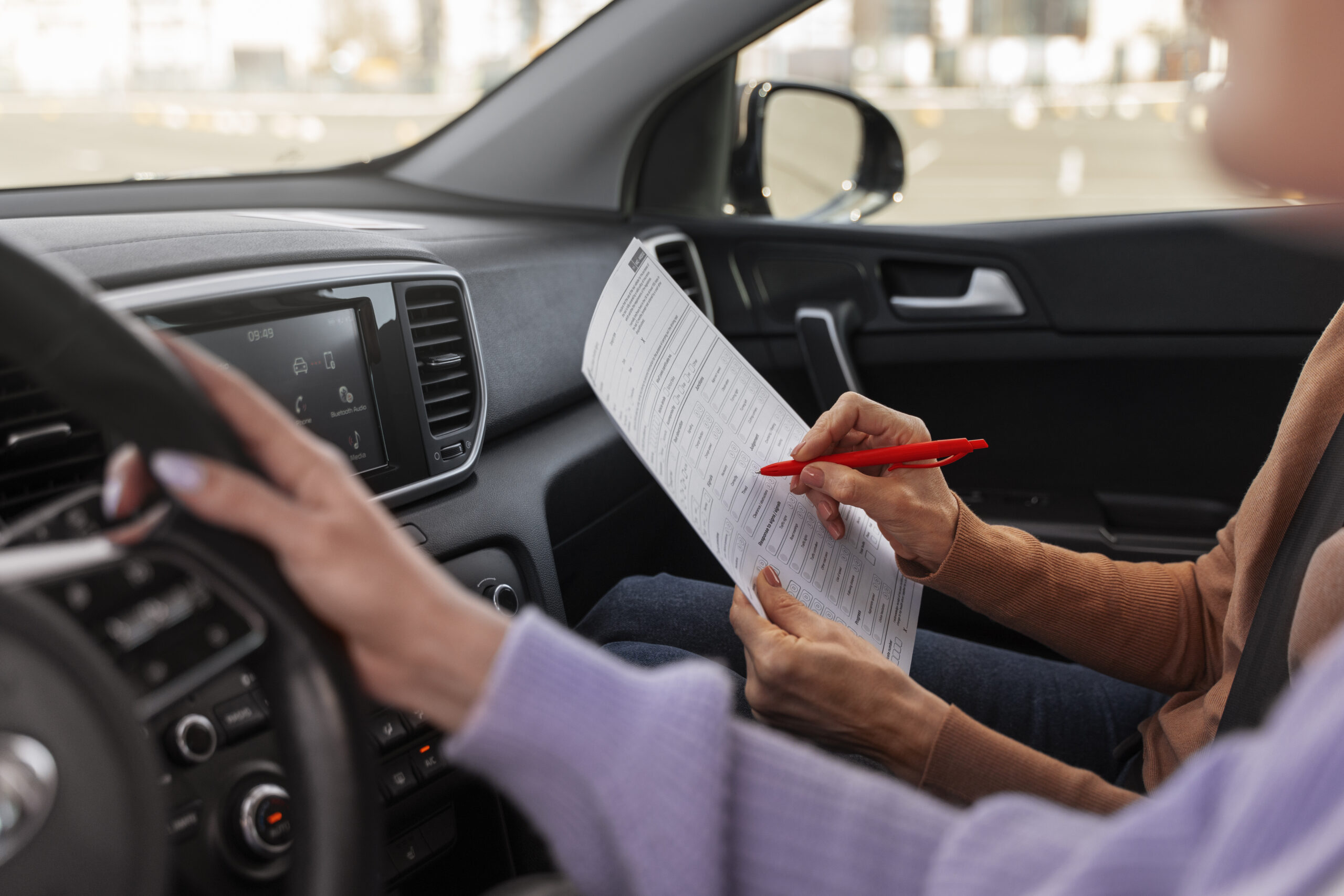
Passing the G2 road test requires more than simply knowing Ontario’s driving rules. You need to demonstrate that you can apply those rules consistently and safely in real traffic.
Important skills include:
- Mirror checks
- Shoulder checks
- Lane changes
- Proper signalling
- Speed control
- Following distance
- Intersection safety
- Parallel parking
- Three-point turns
- Safe stopping
- Observation
- Proper lane positioning
Regular practice can help you identify and correct mistakes before your test.
If you need focused preparation, G2 & G Test Preparation in Ottawa can provide structured practice and help you become more comfortable with the skills required for your road test.
Stage 4: Getting Your Full G Licence
The final stage of Ontario’s graduated licensing system is the Class G licence.
Generally, you must hold your G2 licence for at least 12 months before taking the G road test.
The G test evaluates more advanced driving skills and includes highway driving.
Depending on the testing location and current testing format, the assessment can include skills such as:
- Highway driving
- Entering and exiting highways
- Merging
- Lane changes
- Intersections
- Turns
- Speed control
- Maintaining a safe following distance
- Observation and awareness
DriveTest has modified the G road test at full-time DriveTest Centres. Certain manoeuvres previously associated with the G test, including parallel parking, three-point turns and residential-neighbourhood driving, are currently excluded from the modified test at those locations.
Part-time Travel Point locations may continue to offer the standard G road test.
Ontario G1, G2 and G Licence Timeline
The basic licensing progression can be summarised as follows:
| Licence Stage | Typical Minimum Period | Main Requirement |
| G1 | 12 months | Vision and knowledge tests + supervised practice |
| G1 with approved BDE | 8 months | Approved BDE course + required practice |
| G2 | At least 12 months | Pass the G1 exit road test |
| Full G | After required G2 period | Pass the G road test |
The reduced eight-month G1 waiting period applies to eligible drivers who complete an approved Beginner Driver Education program.
How a BDE Course Can Help
A Beginner Driver Education (BDE) course is designed to give new drivers both theoretical knowledge and practical driving experience.
An approved course can help you:
- Learn Ontario road rules
- Understand defensive driving
- Improve hazard awareness
- Develop safer driving habits
- Practise important driving manoeuvres
- Prepare for real-world traffic
- Reduce the G1 waiting period from 12 months to eight months when eligible
Some insurance providers may also offer discounts to drivers who complete approved driver education, although eligibility and discount amounts vary between insurers.
Before enrolling, make sure the driving school and course meet Ontario’s current approval requirements.
Why Practical Driving Experience Matters
Passing a written knowledge test is only the beginning.
Real driving requires you to make decisions while dealing with traffic, pedestrians, cyclists, weather, road construction and unexpected situations.
Regular practice can help you become more comfortable with:
Lane Changes
You need to develop the habit of checking mirrors, signalling and performing proper shoulder checks before changing lanes.
Intersections
Intersections require careful observation of traffic signals, pedestrians, cyclists and other vehicles.
Parking
Parking manoeuvres require good vehicle control and awareness of your surroundings.
Highway Driving
Highway driving involves higher speeds, merging traffic and shorter decision-making windows, making proper practice particularly important.
Defensive Driving
A defensive driver constantly looks ahead, identifies potential hazards and maintains enough space to react safely.
Common G1, G2 and G Licence Mistakes
Mistake 1: Thinking a G1 Licence Allows You to Drive Alone
It does not.
A G1 driver must have a qualified accompanying driver in the front passenger seat.
Mistake 2: Assuming an Experienced Driver Removes Highway Restrictions
A qualified passenger does not automatically allow a G1 driver to use restricted highways.
Always check the current highway restrictions.
Mistake 3: Forgetting G2 Passenger Restrictions
Drivers aged 19 and under need to understand the special midnight-to-5 a.m. passenger restrictions.
Mistake 4: Treating the G Test Exactly Like the G2 Test
The G test is intended to assess more advanced driving skills, including highway driving. Its current format can vary according to DriveTest policies and location.
Mistake 5: Waiting Until the Last Week to Practise
Trying to learn everything immediately before your test can make the process more stressful.
Consistent practice gives you more time to identify weaknesses and build better driving habits.
Frequently Asked Questions
What are the requirements for graduated licensing in Ontario?
You must be at least 16, pass a vision test and G1 knowledge test, then complete the G1 and G2 road tests to obtain a full G licence.
How many questions are on the Ontario driver’s test?
The G1 knowledge test has multiple sections covering road rules and traffic signs. You need at least 80% to pass.
How long is the driving test in Ontario?
The length varies depending on the test. The G1 knowledge test usually takes around 20–30 minutes.
What happens if you fail your G1 test in Ontario?
You can retake the test after paying the applicable fee. You may need to repeat only the sections you failed.
Can I take my Ontario G1 test online?
No. The G1 knowledge test must be taken at an approved DriveTest Centre or designated location.
What happens if you fail your G1 road test in Ontario?
You can book another road test after getting more practice. You must wait at least 10 days before retesting.
Final Thoughts
Ontario’s Graduated Licensing System provides new drivers with a structured path from learning the basics to becoming fully licensed.
Understanding the differences between the G1, G2 and G licences can help you avoid common mistakes and prepare properly for each stage. Consistent practice, knowledge of Ontario’s road rules and professional driver training can all contribute to a more confident learning experience.
If you’re preparing for your first road test, completing a BDE course or working toward your full G licence, make sure you understand the current requirements before booking your test.
For the most up-to-date information, visit the official Government of Ontario.
Comments are closed