
Ready to Start Driving? Book Your Lesson Today!
Don’t wait start your journey to becoming a confident driver today. Premier Roads offers MTO-approved courses, flexible lessons, and expert guidance to help you succeed. Book your lesson now and drive with confidence.
Two students can walk into the same G2 or G road test with identical hours of practice, and one will pass with confidence while the other struggles with nerves and unfamiliar intersections. The difference often has nothing to do with raw skill. It comes down to something simpler: familiarity with the roads the test actually takes place on.
Local road knowledge is one of the most underrated parts of driving test preparation. Knowing how a specific intersection behaves, where a merge tends to catch new drivers off guard, or how an examiner in Ottawa typically structures a route can shave real anxiety off test day and turn an unpredictable experience into something closer to a routine you’ve already rehearsed. At Premier Roads, this is a core part of how we structure our in-car driving lessons in Ottawa, and it’s a big part of why our students walk into their road test already comfortable with what’s ahead of them.
Ottawa’s Road Tests Happen on Real, Predictable Routes
It’s easy to assume a road test is a completely random experience, but in practice, it isn’t. Ottawa has two DriveTest centres that conduct G2 and G road tests: the Ottawa Canotek centre on Canotek Road and the Ottawa Walkley centre on Walkley Road. Each centre draws its test routes from the surrounding neighbourhood, which means the roads, intersections, and traffic patterns a student will face are, to a meaningful extent, predictable.
The Canotek centre, for example, sits in an industrial area and often incorporates Highway 417 merges along with roads like Belfast Road and Ogilvie Road, testing lane discipline, speed control, and confident merging. The Walkley centre, on the other hand, tends to draw more on residential streets and busier corridors like St. Laurent Boulevard, giving examiners a mix of quiet neighbourhood driving and higher-traffic decision-making. A student who has never driven near either location is walking into their test blind. A student who has practiced on those exact streets is walking in with a serious advantage.
This is exactly why route familiarity matters so much for driving test tips that actually work in the real world, not just generic advice. Practicing turns, lane changes, and stop patterns on the same roads an examiner will likely use builds a kind of muscle memory that generic parking-lot practice simply can’t replicate.
What Local Instructors Notice That Students Don’t
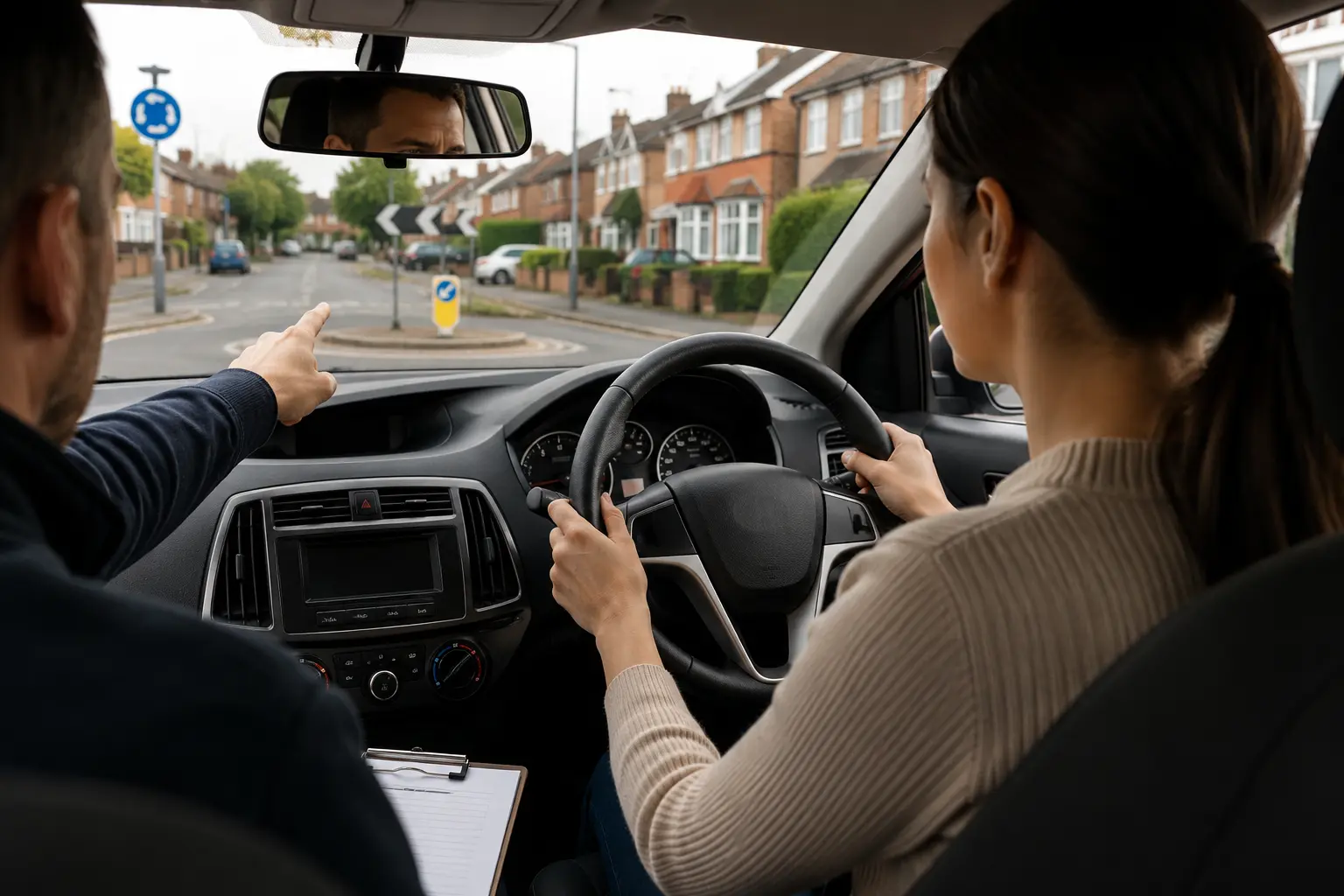
An experienced local instructor has sat through hundreds of lessons and road tests on the same Ottawa streets. They know which intersections tend to confuse new drivers, which merges require earlier signalling than students expect, and which quiet residential blocks are commonly used for three-point turns or parallel parking evaluations. This kind of insight can’t be picked up from a handbook. It comes from repetition and direct exposure to how examiners in a specific city actually run their tests.
At Premier Roads, our instructors build lesson plans around this local knowledge, guiding students through the same kinds of roads, merges, and neighbourhood patterns they’re likely to encounter on test day. This is one of the advantages built into our 10-Hour Comprehensive Package, which is structured to move students from foundational vehicle control through to confident handling of real Ottawa traffic conditions.
Understanding Examiner Expectations Reduces Anxiety
A huge amount of test-day anxiety comes from uncertainty. Students worry about what the examiner is looking for, whether a specific manoeuvre will be required, or how strictly small mistakes will be judged. Local road knowledge helps here too, not because it changes the rules, but because it removes a layer of the unknown.
For instance, students often don’t realize that going off the planned test route doesn’t automatically hurt their score. If a driver misses a turn or the examiner needs to give updated directions, that alone isn’t a fail condition, so long as the student continues to drive safely and follows instructions calmly. Similarly, students frequently overestimate how detailed their local area knowledge needs to be. Examiners aren’t testing whether a student knows every street name in the neighbourhood; they’re testing whether the student can respond safely and confidently to real-time instructions.
Understanding these examiner expectations in advance, through instructors who have coached dozens of students through the exact same test centres, takes a lot of the mystery out of test day. Instead of feeling like an unpredictable evaluation, the road test starts to feel like a rehearsed extension of lessons the student has already completed.
Building Driving Confidence Through Repetition, Not Guesswork
Confidence behind the wheel doesn’t come from being told you’re ready. It comes from doing the same manoeuvres, on the same kinds of roads, enough times that they stop requiring conscious effort. A student who has merged onto Highway 417 near Canotek a dozen times with an instructor coaching them through mirror checks and timing will feel entirely different attempting that same merge for the first time during an actual test.
This is where structured, locally-focused driving training pays off. Instructors don’t just teach generic skills in a vacuum; they apply those skills directly to the roads a student will be tested on, which builds a very specific, very real kind of confidence. It’s a major reason we emphasize hands-on, road-specific coaching throughout our driving courses in Ottawa, rather than relying solely on generic simulator time or classroom instruction.
Practicing the Manoeuvres Examiners Actually Test
Local road knowledge isn’t just about main roads and highway merges. It also applies to the specific manoeuvres students will need to demonstrate, like parallel parking or a three-point turn, which are often practiced in the same general area near the test centre itself. Knowing that a particular quiet street or fenced lot near a DriveTest centre is commonly used for these evaluations allows instructors to rehearse those exact conditions in advance, rather than relying purely on theory.
This kind of targeted road test practice reflects the same principle behind our earlier guidance on common parking mistakes new drivers make — most parking errors come down to unfamiliarity with real conditions, not a lack of raw skill. Practicing in the actual environment a student will be tested in closes that gap directly.
Why Generic Practice Isn’t Enough
Plenty of new drivers spend hours practicing in an empty parking lot or driving familiar routes near their own home, assuming that seat time alone will translate to road test readiness. It helps, but it isn’t the same as practicing under the specific conditions of an actual test. A student who has only ever driven quiet suburban streets may struggle the first time they’re asked to merge onto a busy boulevard or navigate a four-lane intersection with heavy traffic lights, simply because they’ve never had guided practice in that exact kind of environment.
This is why driving test preparation built around real local conditions consistently outperforms generic, unfocused practice. It’s not about memorizing a specific route; it’s about becoming genuinely comfortable with the kinds of roads, merges, and intersections that will actually show up on test day.
How Premier Roads Builds Local Road Knowledge Into Every Lesson
Every Premier Roads instructor is certified, experienced, and deeply familiar with Ottawa’s roads, from quiet residential neighbourhoods to the busier corridors near both DriveTest centres. Rather than treating road test preparation as an afterthought, we build it into the structure of our lessons from the beginning, so that by the time a student is ready to book their test, the roads themselves feel familiar rather than intimidating.
Whether a student starts with our 5-Hour Foundation Package to build core vehicle control or moves into a full Online BDE Course with in-car training included, local road familiarity is woven throughout the process. Students also have the option to add a G2 Test Car Rental package, which includes a warm-up lesson right before the test, giving them one more chance to drive the actual roads they’ll be tested on with an instructor beside them.
For students who want to understand exactly what the road test evaluates, it’s also worth reviewing DriveTest’s official road test information, which outlines what examiners assess and how the test is structured across Ontario.
Choosing the Right Test Centre Can Also Work in Your Favour
Many new drivers don’t realize they aren’t locked into one specific DriveTest centre. In Ottawa, students can generally choose between the Canotek and Walkley locations, and each comes with its own traffic patterns and pace. A student who feels more comfortable with quieter driving might do better at a centre known for calmer routes, while one who’s practiced highway merges extensively may feel just as confident at a busier location.
This is another area where an instructor’s local knowledge pays off. Rather than guessing, an experienced instructor can offer an informed recommendation based on the student’s strengths and comfort level, a small decision that can meaningfully change how test day feels for a nervous first-timer.
Local Knowledge Extends to Ottawa’s Seasonal Driving Conditions Too
Route familiarity isn’t only about knowing which street comes after which turn. It also includes understanding how a specific road behaves under different conditions. An intersection that’s manageable on a dry summer afternoon can feel very different on an icy winter morning, and a driver who has only practiced it in good weather may be caught off guard once conditions change.
Instructors who train locally build this seasonal awareness directly into lessons, knowing which roads tend to ice up first or where visibility becomes an issue during heavy rain. Pairing this with the defensive driving habits covered in our earlier post on how driving schools prepare students for unexpected road situations gives students a fuller picture of what real Ottawa driving demands, well beyond what a road test alone can teach.
Final Thoughts
Passing a road test faster isn’t just about logging enough hours behind the wheel. It’s about spending those hours in the right places, on the roads and in the conditions a student will actually be tested on. Local road knowledge turns an unfamiliar, anxiety-inducing experience into something closer to a routine the student has already rehearsed dozens of times.
If you’re preparing for your G2 or G road test in Ottawa, training with instructors who know the local routes, examiner expectations, and common test-day patterns can make a real difference in how quickly and confidently you pass. Book your driving lessons in Ottawa with Premier Roads and train on the same roads, and with the same local expertise, that our students rely on to walk into their test day prepared.
Comments are closed